Introducing the Fact Behind Sugar Beet Vs Sugar Cane: Advantages, Utilizes, and Processing Techniques Described
The distinction between sugar beet and sugar cane is frequently neglected in conversations concerning sugar production. Each crop offers one-of-a-kind benefits and applications in different markets. Their cultivation practices and processing methods additionally vary significantly. Recognizing these nuances is vital for stakeholders in the sugar sector. What ramifications do these differences have for wellness, taste, and ecological impact? Exploring these facets can reveal deeper understandings right into the global sugar market.
Review of Sugar Beet and Sugar Cane
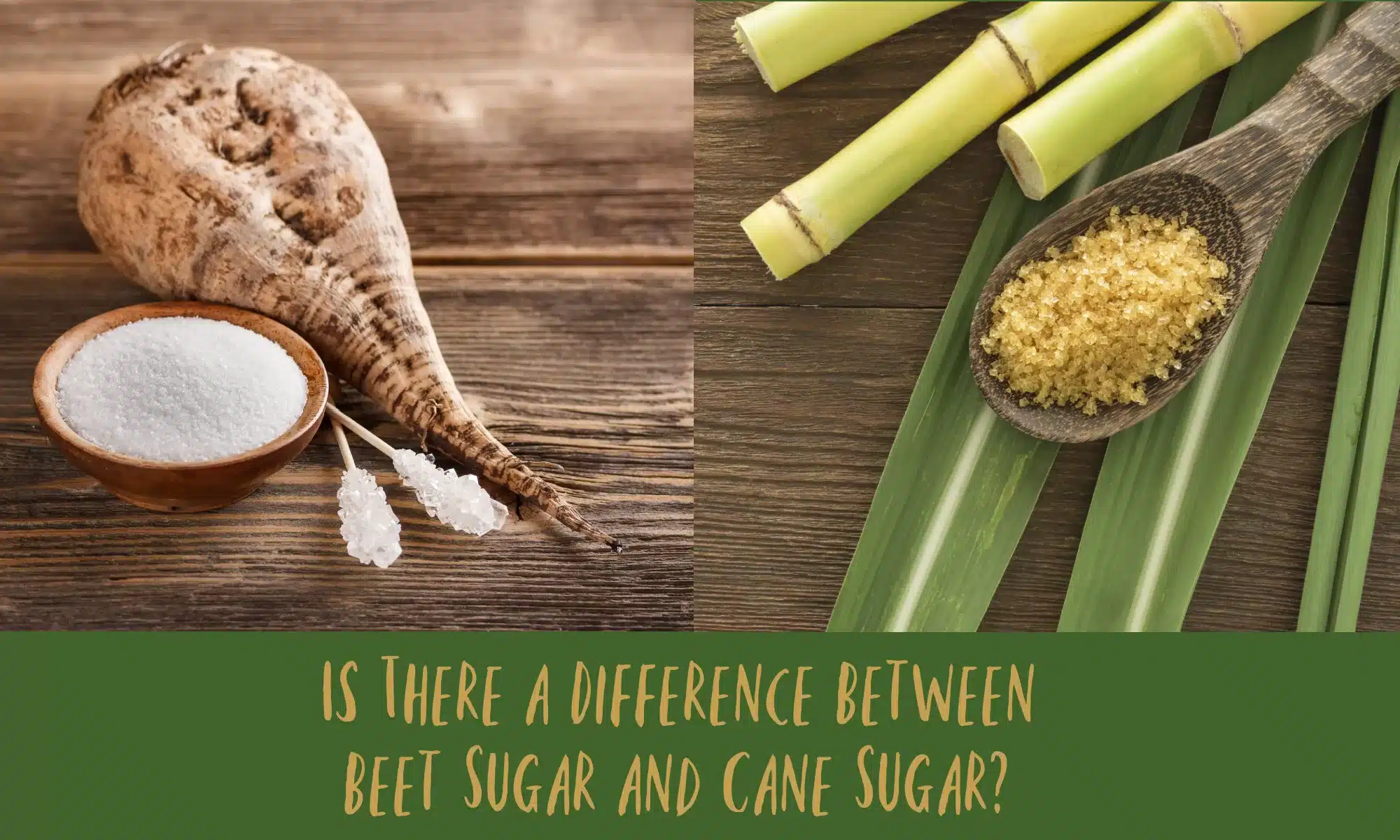
Sugar beet and sugar cane are 2 key sources of sugar, each with unique qualities and cultivation methods. Sugar beet, an origin veggie, grows in warm environments and is normally harvested in the autumn. Its high sugar web content, varying from 15% to 20%, makes it a beneficial crop for sugar production. The procedure includes extracting juice from the beetroots, which is then improved right into granulated sugar.
In comparison, sugar cane is an exotic lawn that thrives in warm, damp atmospheres. It can accomplish a sugar material of as much as 14%, however its high, coarse stalks require considerable processing. The cane is squashed to remove juice, which undergoes boiling and formation to create sugar. Both sources add significantly to the global sugar supply, with sugar beet generally cultivated in Europe and North America, while sugar cane is mainly grown in Brazil, India, and other tropical regions.
Growing Practices: Sugar Beet vs. Sugar Cane
Cultivation techniques for sugar beet and sugar cane differ considerably due to their distinct expanding problems. Sugar beets prosper in cooler climates with well-drained soil, while sugar cane likes warmer temperature levels and abundant wetness. In addition, the harvesting techniques utilized for every crop mirror these environmental requirements and influence overall yield and quality.
Growing Conditions Comparison
While both sugar beet and sugar cane flourish in particular environmental conditions, their cultivation practices differ noticeably. Sugar beet is mostly grown in temperate regions, favoring cooler environments with well-drained dirt and modest rainfall. It requires an expanding period of about 90 to 120 days, with suitable temperatures in between 15 ° C to 25 ° C. On the other hand, sugar cane embellishments in exotic and subtropical environments, growing in cozy temperatures varying from 20 ° C to 32 ° C. It calls for abundant sunshine and consistent rainfall, often needing irrigation in drier areas. Sugar cane has a much longer growing cycle, usually lasting 12 to 24 months. These differences in expanding problems considerably influence the geographical circulation and agricultural methods connected with each plant.
Gathering Strategies Distinctions
The harvesting methods for sugar beet and sugar cane mirror their unique development attributes and agricultural techniques. Sugar beet is commonly collected mechanically, with farmers designed to root out the whole plant, guaranteeing marginal dirt disruption. The beets are then transported for handling soon after harvest to maintain quality. On the other hand, sugar cane harvesting typically involves a combination of guidebook and mechanical approaches. Employees might at first reduce the cane by hand, specifically in areas where automation is less possible. Subsequently, specialized equipment is used to gather and carry the cut stalks to processing facilities. These differing strategies not just impact effectiveness but likewise influence the quality and return of the final sugar products, showcasing the versatility of each crop to its setting.
Nutritional Comparison and Health Advantages
When contrasting the nutritional profiles of sugar beet and sugar cane, it comes to be clear that each deals distinctive wellness advantages. Sugar beetroots are rich in important nutrients like folate, manganese, and potassium, which add to overall wellness. They likewise contain fiber, which assists digestion and may help regulate blood sugar level levels. Additionally, sugar beetroots are recognized for their antioxidant homes, which can deal with oxidative tension.
Conversely, sugar cane is mainly made up of sucrose, supplying fast energy. While it does not have the exact same level of vitamins and minerals located in sugar beetroots, sugar cane does consist of tiny amounts of B vitamins and minerals such as calcium and magnesium. Furthermore, sugar cane juice is typically proclaimed for its hydrating buildings and possible health and wellness advantages, including enhanced digestive system wellness. Ultimately, the option between sugar beet and sugar cane may rely on specific health and wellness goals and nutritional choices.
Taste Accounts and Culinary Utilizes
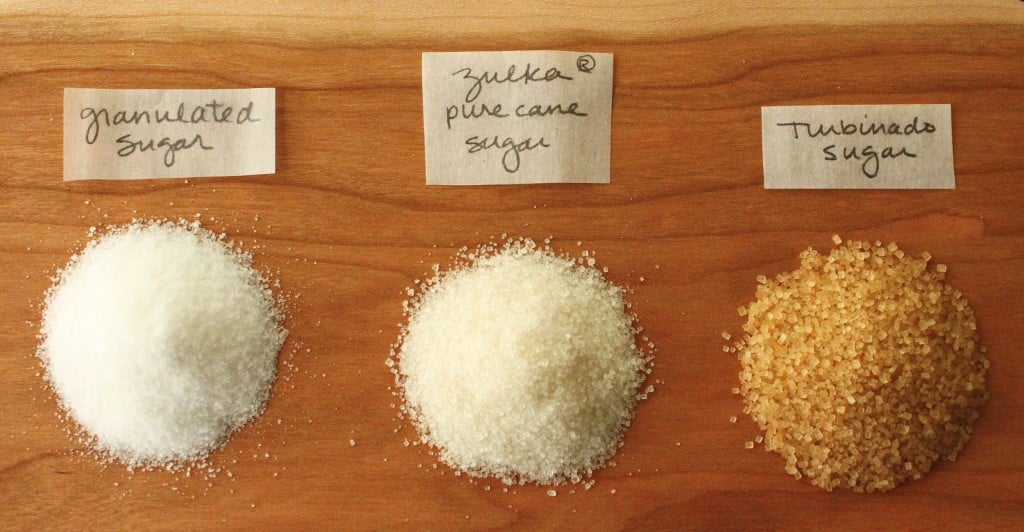
Taste accounts of sugar beet and sugar cane vary noticeably, influencing their cooking applications (Sugar beet vs sugar cane). Sugar cane, with its naturally wonderful and complex flavor, is often preferred in beverages, desserts, and various culinary recipes. It provides a rich, caramel-like note that enhances the preference of products such as syrups, molasses, and rum. On the other hand, sugar beet has an extra neutral and less fragrant taste, making it ideal for applications where sweetness is preferred without altering the dish's intrinsic tastes. It is often utilized in processed foods, baked goods, and sugar
Culinary professionals typically pick sugar cane for its deepness and richness, specifically in exquisite food preparation and craft drinks. Alternatively, sugar beet's versatility as a sugar in mass-produced products deals with a more comprehensive market. Ultimately, the selection between these 2 sugars can significantly impact flavor profiles and total cooking experiences.
Environmental Impact of Sugar Manufacturing
Sugar manufacturing, whether from sugar beet or sugar cane, lugs substantial environmental ramifications. Sugar cane growing usually brings about logging, especially in exotic regions, interfering with neighborhood communities and adding to biodiversity loss. The substantial use plant foods and chemicals in both sugar beet and sugar cane farming can result in dirt deterioration and water pollution, influencing surrounding habitats click and neighborhoods. In addition, the high water consumption needed for sugar cane irrigation positions a hazard to neighborhood water products, especially in deserts.
On the other hand, sugar beet farming commonly occurs in pleasant climates, which may reduce some logging problems. It is not without its very own obstacles, including dirt disintegration and dependence on chemical inputs. Generally, the ecological impact of sugar manufacturing is complex, demanding lasting farming techniques and understanding of source management to minimize damage to ecosystems and advertise ecological wellness.
Processing Methods: From Plant to Sugar
Numerous handling strategies are used to change sugar beet and sugar cane right into granulated sugar, each approach reflecting the special attributes of the resource plant. For sugar beets, the process starts with cleaning and slicing the origins right into thin strips, which are after that based on diffusion-- a technique where warm water extracts sugar from the beet slices. The resulting fluid is purified, concentrated, and taken shape.
On the other hand, sugar cane handling entails squashing the stalks to remove juice, complied with by clarification to remove contaminations. The juice is then evaporated, leading to syrup that undertakes crystallization. Both procedures are adhered to by separation of the sugar crystals from the molasses, which is a result. The lasts consist of drying and packaging the granulated sugar for circulation. These methods highlight the distinct pathways via which these 2 plants produce sugar, each with its own collection of obstacles and efficiencies.
Economic Facets of Sugar Beet and Sugar Cane Industries
The financial landscape of the sugar beet and sugar cane industries discloses noteworthy differences in production expenses, market dynamics, and regional effects. Sugar beet, primarily grown in temperate environments, commonly sustains greater manufacturing prices as a result of labor and input expenditures. On the other hand, sugar cane flourishes in exotic regions, generally gaining from lower labor prices and positive climatic problems, which can cause go to this site greater yields.
Market dynamics also vary, as sugar cane dominates international manufacturing, making up approximately 80% of sugar output. This frequency affects pricing frameworks and trade flows. On the other hand, sugar beet is a lot more regionally concentrated, particularly in Europe and North America, affecting local economic situations based on beet manufacturing.
Moreover, fluctuations in global sugar rates can substantially impact both industries, affecting farmer earnings and investment degrees. Understanding these economic aspects is necessary for stakeholders intending to browse the intricacies of the sugar market effectively.
Regularly Asked Concerns

Can Sugar Beet and Sugar Cane Be Intercropped Efficiently?
Intercropping sugar beet and sugar cane provides challenges due to varying growth demands and ecological needs. With mindful administration and ideal problems, it might produce benefits such as improved soil health and source performance.
What Are the Historic Origins of Sugar Beet and Sugar Cane?
The historical beginnings of sugar beet trace back to 18th century Europe, while sugar cane has roots in Southeast Asia, cultivated for hundreds of years. Both plants have considerably influenced worldwide sugar production and agriculture.
Just How Do Sugar Beet and Sugar Cane Affect Dirt Wellness?
The effects of sugar beet and sugar cane on dirt health and wellness differ. Sugar beet can this link boost soil structure and nutrient material, while sugar cane might diminish nutrients otherwise taken care of properly, affecting long-lasting dirt fertility.
Are There Any Arising Technologies in Sugar Production?
Arising modern technologies in sugar manufacturing include accuracy agriculture, progressed hereditary design for greater yields, and innovative removal methods. These improvements aim to enhance performance, minimize environmental influence, and boost the overall sustainability of sugar production processes.
What Are the Key Differences in Labor Requirements for Both Crops?
The vital distinctions in labor needs for sugar beet and sugar cane copyright on growing, harvesting, and handling. Sugar beet vs sugar cane. Sugar beet normally requires more automation, while sugar cane typically requires a lot more manual work for collecting and processing phases